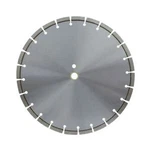
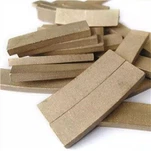
Resin diamond abrasives and magnesia abrasives each have their own unique advantages, depending on the application and desired outcome. Here are some of the key advantages of resin diamond abrasives compared to magnesia abrasives:
Resin Diamond Abrasives
High Material Removal Rates
Resin diamond abrasives are highly effective at removing material quickly. This is particularly useful in applications involving hard, brittle materials such as glass, ceramics, and tungsten carbides. The high hardness of diamond allows it to cut through these materials efficiently, resulting in faster grinding and machining processes.
Superior Surface Finish
Resin bond diamond wheels can achieve extremely fine surface finishes. The uniform distribution of abrasive particles and the ability to control grit size and concentration allow for precise and consistent material removal. This is crucial in industries such as optics, where even the slightest imperfections can significantly impact the quality of the final product.
Self-Dressing Properties
One of the significant advantages of resin bond wheels is their self-dressing nature. As the abrasive diamonds wear, new grains are exposed, maintaining a consistent cutting edge throughout the wheel's life. This reduces the need for frequent dressing and ensures that the wheel remains effective over a longer period, leading to increased productivity and lower overall costs.
Flexibility and Conformability
Resin bonds are relatively soft and flexible compared to other bond types like vitrified and metal bonds. This flexibility allows the wheel to conform to the workpiece's surface, making it ideal for contour grinding and achieving intricate shapes. The ability to maintain consistent contact with the workpiece ensures a smoother finish, even on complex geometries.
Reduced Wheel Loading
Resin bond wheels are less prone to loading, which occurs when swarf or material being ground adheres to the wheel's surface. Loading can negatively impact the surface finish and the wheel's performance. The reduced tendency for loading in resin bond wheels helps maintain consistent performance and prolongs the wheel's life.
Cost-Effectiveness
Despite the initial higher cost compared to conventional abrasives, resin diamond abrasives often result in cost savings over time. The longer operational life, reduced downtime due to less frequent wheel changes, and improved material removal rates contribute to overall cost efficiency. Additionally, the minimal wear on these wheels results in less material waste, making them an eco-friendly choice for many industries.
Magnesia Abrasives
Good Surface Finish
Magnesia abrasives can also achieve a good surface finish, although it may not be as fine as that obtained with resin diamond abrasives. They are effective in removing scratches and sanding marks, and can significantly improve surface roughness.
Versatility
Magnesia abrasives are versatile and can be used in a variety of applications, including the finishing of both ferromagnetic and non-ferromagnetic materials. This makes them suitable for a wide range of industries and machining processes.
Ease of Use
Magnesia abrasives are relatively easy to use and do not require complex setups or specialized equipment. This can be an advantage in applications where simplicity and ease of operation are important considerations.
In summary, resin diamond abrasives offer superior material removal rates, surface finish, self-dressing properties, flexibility, and cost-effectiveness, making them ideal for high-precision and demanding applications. Magnesia abrasives, on the other hand, provide good surface finish and versatility, and are easier to use, making them suitable for a broader range of applications. The choice between the two depends on the specific requirements of the application, including the material being machined, the desired surface finish, and the operational conditions.