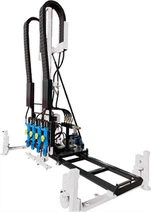
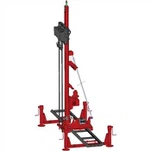
Rock Drill Machine
1. What Is a Rock Drill Machine?
A rock drill machine is a heavy-duty drilling tool designed specifically for drilling into hard rock, stone, or concrete. It is typically used in industries like mining, quarrying, and construction to create holes in rock for various purposes such as blasting, anchor bolt installation, or rock core sampling.
Rock drill machines are equipped with powerful mechanisms that allow them to drill through even the hardest rock formations. These machines are equipped with various types of drills, such as rotary drills, percussive drills, or hydraulic drills, depending on the task at hand.
2. How Does a Rock Drill Machine Work?
Rock drill machines operate on different principles depending on the type of drill used:
Percussive Drilling: In percussive drills, the drill bit is repeatedly struck against the rock, causing the bit to break apart the material in a series of rapid, high-impact blows. This type of drilling is common in mining and quarrying operations.
Rotary Drilling: Rotary drills use a rotating drill bit to cut into the rock. As the bit turns, it grinds away the material, creating a hole. Rotary drills are often used in situations where a large, deep hole needs to be drilled.
Hydraulic Drilling: Hydraulic drills are powered by hydraulic systems that supply high-pressure fluid to drive the drilling mechanism. These machines are highly efficient and can work in tough environments where other types of drills may struggle.
Down-the-Hole (DTH) Drilling: This method uses a special type of hammer drill to deliver powerful blows directly to the drill bit, which is then rotated. The combination of impact and rotation allows for faster and more efficient drilling through hard rock.
3. Key Features of Rock Drill Machines
Power Source: Rock drill machines are typically powered by electricity, compressed air, diesel engines, or hydraulic systems, depending on the machine's design and application. Diesel-powered drills are often used for mobile applications in remote locations, while electric or hydraulic drills are used in stationary setups.
Drilling Capacity: The capacity of a rock drill machine depends on the type of drill and the power of the machine. Machines with higher power outputs are capable of drilling deeper and through harder rock formations.
Drill Bits: The drill bits used in rock drill machines are typically made of hard alloys or diamonds and are specifically designed to handle high levels of stress, heat, and wear. The type of drill bit used will depend on the material being drilled.
Rotation and Impact Mechanism: Many rock drill machines use a combination of rotational and impact force to penetrate hard rock. The rotary mechanism helps to grind through the material, while the impact mechanism breaks the rock into smaller fragments.
4. Applications of Rock Drill Machines
Rock drill machines are used in a variety of industries and applications, including:
Mining: In mining, rock drill machines are used to create blast holes for explosive charges, drill shafts for underground mines, and create ventilation tunnels. They are also used for core sampling to assess mineral deposits.
Quarrying: In quarries, rock drills are used to create holes for blasting to extract large blocks of stone such as granite, marble, or limestone.
Construction: In construction, these machines are used to drill holes for anchors, rock bolts, or foundation piles. They are also used for creating holes for utilities, like gas, water, or electric lines, in rocky terrain.
Tunneling: Rock drill machines are essential for creating tunnels, particularly in hard rock or mountainous regions, where other drilling methods may not be effective.
Geotechnical and Environmental Exploration: For geological studies, rock drills are used to take core samples of rock formations for analysis. This helps geologists understand the structure and composition of the rock for site evaluation and exploration.

5. Types of Rock Drill Machines
There are several different types of rock drill machines available, depending on the specific requirements of the job:
Crawler-Mounted Rock Drills: These drills are mounted on tracked chassis and are highly mobile, making them ideal for use in rough terrain, such as quarries and construction sites. They are versatile and can drill both horizontally and vertically.
Truck-Mounted Rock Drills: These drills are mounted on the back of trucks, making them suitable for projects that require a lot of mobility over long distances. Truck-mounted drills are typically used in mining and construction for larger-scale projects.
Stationary Rock Drills: These machines are fixed in place and are generally used in situations where the drilling operation requires precise control, such as in geotechnical investigations or underground mining.
Handheld Rock Drills: These are smaller, portable drills typically used for smaller projects or in confined spaces where larger machinery cannot be used. They are commonly used for tunneling, trenching, or road construction.
Hydraulic Rock Drills: These drills are powered by hydraulic systems, making them highly efficient and ideal for heavy-duty drilling operations. Hydraulic rock drills can be used for large-scale projects where high drilling power is required.
Down-the-Hole (DTH) Drills: These drills use a percussion mechanism combined with rotary drilling. They are particularly effective for drilling in very hard rock and are often used in mining and large-scale quarrying operations.
6. Advantages of Rock Drill Machines
High Drilling Efficiency: Rock drills are designed to handle tough materials like rock and concrete, allowing for efficient and quick drilling. They are capable of drilling through dense, tough rock formations that other tools cannot penetrate.
Versatility: Rock drill machines are available in various sizes and configurations, making them versatile tools for different types of drilling applications, from small hand-held drills to large crawler-mounted rigs.
Durability: These machines are built to last and can withstand the harsh conditions found in mining, quarrying, and construction sites, where machines are exposed to extreme stress and wear.
Precision: Rock drills provide precise control over drilling depth and angle, which is essential for applications such as blasting, geotechnical surveys, and tunnel construction.
Safety: Many modern rock drill machines come with safety features such as dust control, vibration reduction, and operator cabins to ensure the safety of workers in harsh environments.
7. Factors to Consider When Choosing a Rock Drill Machine
Type of Material to Be Drilled: The type of rock or material being drilled will determine the choice of rock drill. Some materials are harder and require more powerful machines, while others can be drilled with smaller, more portable drills.
Drilling Depth and Diameter: The depth of the hole and the required diameter will influence the selection of the drill bit and the machine itself. Larger and deeper holes typically require larger and more powerful drill rigs.
Mobility Requirements: If the drilling site is in a remote location or requires mobility, a machine that can easily be transported to the site (such as a truck-mounted or crawler-mounted drill) may be necessary.
Power Source: Rock drills are powered by different sources, including diesel engines, electricity, or hydraulic power. The choice of power source will depend on the specific needs of the project, such as mobility or availability of fuel.
Safety and Ergonomics: When selecting a rock drill, consider the safety features (like dust suppression and vibration control) and the comfort of the operators, especially for long hours of work.
8. Maintenance and Safety Tips
Regular Inspections: To keep the rock drill in good working condition, regular inspections should be conducted to check for wear and tear on the drill bits, hydraulic systems, and engine components.
Lubrication: Proper lubrication of moving parts helps reduce friction and wear, ensuring longer machine life and optimal performance.
Dust Control: In mining and construction environments, rock drilling generates a lot of dust. Many modern rock drill machines come with built-in dust suppression systems to protect the workers' health and improve visibility.
Operator Training: Since rock drills are heavy-duty equipment, it is essential that operators are properly trained to handle the machine and understand safety procedures to prevent accidents.
Conclusion
A rock drill machine is an essential tool in industries like mining, quarrying, and construction, where efficient and powerful drilling through hard materials is required. These machines come in various types and configurations, from small, portable handheld drills to large, hydraulic rigs capable of drilling deep and large-diameter holes. With their high precision, efficiency, and durability, rock drill machines are indispensable for many challenging drilling tasks.
Packing and Transportation


After sales service team:

Technical Team:

Hot Tags: rock drill machine price, China rock drill machine price manufacturers, suppliers, factory, Hand Held Rock Drills For Sale, Rock Drill Hammer, Best Rotary Hammer Drill For Rock, Air Rock Drills For Sale, Rock Drill Rig Machine, Hand held Rock Drills