

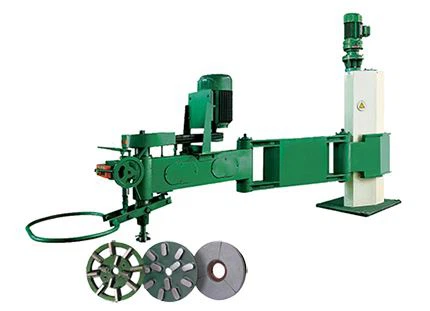
Stone slab polishing is a process that requires precision and patience to achieve the desired results. A manual polishing machine can be a great choice for those seeking a more hands-on approach to polishing their stone slabs.
With a manual polishing machine, you have full control over the speed and pressure applied to the stone surface. This allows for a more customized approach to polishing, ensuring that each slab is polished to perfection.
Manual polishing machines are also highly portable, making them a great choice for those who need to move their equipment from job site to job site. They are also easy to set up and use, making them a great option for beginners and professionals alike.
One of the great benefits of using a manual polishing machine is that it allows you to achieve a high level of polish without the need for harsh chemicals or abrasive products. This makes it a more environmentally friendly option for those looking to reduce their impact on the planet.
Overall, a manual polishing machine can be a great investment for anyone looking to polish their stone slabs. With precision control, portability, and a more environmentally friendly approach, it's a great choice for anyone who wants to achieve a beautiful, polished finish on their stone surfaces.
Main Technical Parameters:
| Model | Unit | TW-2600 | TW-3000 |
|---|---|---|---|
| Main motor power | KW | 4.5/5.5 | 4.5/5.5 |
| Gyro radius | mm | 2600 | 3000 |
| Range of vertical stroke | mm | 0-800 | 0-800 |
| Grinding wheel diameter | mm | 220 | 220 |
| Max.polishing size | mm | 2600*900 | 3000*1200 |
| Overall dimensions (L x W x H) | mm | 3500*650*1700 | 3800*650*1700 |
| Water consumption | m³/h | 3 | 3 |
| Approximate weight | kg | 850 | 900 |
Table for Arc Slab Polishing TW-2600:
| Table dimensions (L x W x H) | mm | 1200*650*670 |
| Table main motor power | KW | 1.1 |
| Table rotating degree | n° | 0±45° |
| Approximate weight | kg | 200 |
Arm Polisher for Stone – Efficient Manual Polishing Solution for Large Stone Surfaces
An arm polisher for stone is a practical and cost-effective polishing machine designed for processing large stone slabs, panels, and flat surfaces. It combines manual flexibility with mechanical stability, making it an ideal choice for stone workshops that require precise surface finishing without investing in fully automatic polishing lines.
This type of stone polishing machine is widely used for grinding, smoothing, honing, and final polishing of natural and engineered stone materials.
How an Arm Polisher Works
An arm polisher features a rigid support column and an extended horizontal arm that carries the polishing head. The polishing tool moves smoothly across the stone surface while maintaining steady pressure. Operators can easily control movement direction, speed, and polishing depth, allowing accurate surface treatment even on oversized slabs.
The arm structure reduces operator fatigue while improving polishing consistency compared to handheld machines.
Main Advantages of Using an Arm Polisher for Stone
Stable Polishing Performance
The arm-supported design ensures uniform pressure distribution across the stone surface, helping prevent uneven gloss, burn marks, or surface waves.
Flexible Manual Operation
Operators can quickly adapt to different slab sizes, stone thicknesses, and surface conditions without complex programming or setup.
Suitable for Multiple Stone Types
Arm polishers are compatible with:
Granite
Marble
Limestone
Travertine
Quartz and engineered stone
Artificial stone panels
By selecting suitable diamond grinding wheels or resin polishing pads, the machine handles both soft and hard materials efficiently.
Cost-Effective Production
Compared to automatic polishing machines, arm polishers offer a lower investment cost while still delivering professional finishing quality, making them ideal for small and medium stone factories.
Typical Applications
Arm polishing machines are commonly used in:
Stone slab polishing workshops
Countertop fabrication facilities
Monument and tombstone processing
Architectural stone production
Pre-installation surface finishing
They are especially effective for large flat surfaces where handheld polishing tools would be inefficient or inconsistent.

Key Technical Characteristics
Although specifications vary by model, most arm polishers for stone include:
Strong electric motor for continuous operation
Adjustable polishing height and travel range
Smooth sliding arm mechanism for stable movement
Support for wet polishing to reduce dust and heat
Compatibility with standard stone polishing abrasives
These features ensure reliable operation during long polishing cycles.
Compatible Polishing Tools & Accessories
Arm polishers can be used with a wide range of stone finishing tools, including:
Diamond grinding discs for surface leveling
Resin polishing pads for gloss finishing
Frankfurt abrasives for industrial polishing
Stone polishing brushes for textured or antique finishes
Using the correct tool sequence helps achieve higher gloss levels and longer surface durability.
How to Choose the Right Arm Polisher
When selecting an arm polisher for stone processing, consider:
Maximum slab size supported
Motor power suitable for your stone material
Vertical stroke and arm reach
Wet polishing compatibility
Workshop space and installation requirements
Matching the machine to your production needs ensures higher efficiency and better surface quality.
Why Arm Polishers Are Still Widely Used
Despite advances in automation, arm polishing machines remain popular because they offer:
High adaptability for custom projects
Easy maintenance and operation
Consistent polishing results
Lower energy consumption
Long service life in stone workshops
They are an excellent solution for manufacturers seeking flexibility without sacrificing quality.
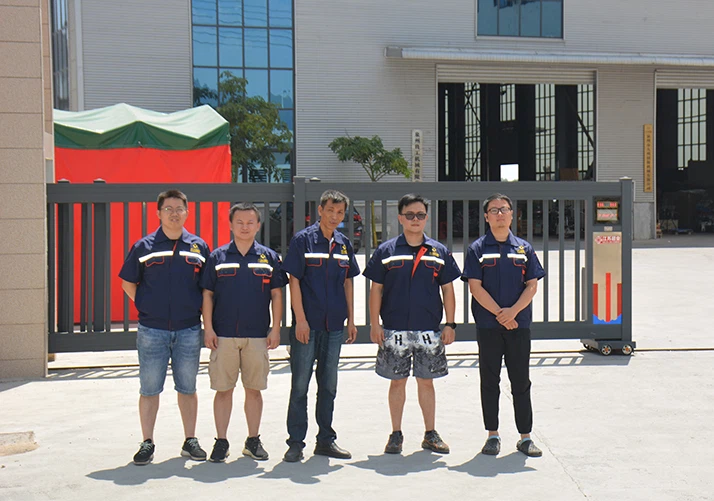
After sales service team
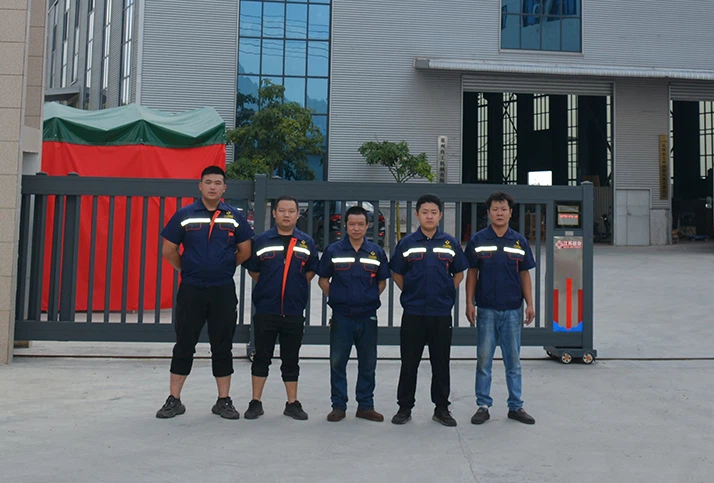
Technical Team
Hot Tags: arm polisher for stone, China arm polisher for stone manufacturers, suppliers, factory


