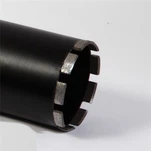
A dry cutter blade is a type of cutting tool designed for use without water or other coolants. Here are some key points about dry cutter blades:
Types of Dry Cutter Blades
Segmented Blades: These are the most popular general-use blades and usually have medium to hard bonds. They are perfect for dry cutting because segmentation helps keep them cool. Segmented blades are commonly used to cut pavers, concrete, and asphalt.
Serrated (Turbo) Blades: The serrated edges on these blades push debris out of the way, allowing them to make fast, smooth cuts. Serrated turbo blades can be used in both wet and dry applications and are good for cutting tile, natural stone, marble, and granite.
Continuous Blades: While these blades are the cleanest cutting type and ideal for cutting finished edges, they generally require water to keep them cool. However, some continuous blades can also be used for dry cutting.
Advantages of Dry Cutter Blades
Cost-Effectiveness: Since there is no need for water or coolant, dry cutting can significantly reduce project costs.
Minimal Airborne Dust: Dry cutting produces less airborne dust and debris compared to wet cutting, making it a cleaner option for indoor projects or areas with limited ventilation.
Speed: Dry cutting is generally a quicker process as there is no need for water or cleanup after the cutting is complete.
Disadvantages of Dry Cutter Blades
Health Hazards: The potential health hazards associated with airborne dust and debris are a major concern. Proper safety measures, such as using appropriate protective gear, must be taken when using dry cutting methods.
Blade Overheating: Dry cutting can cause the blade to overheat quickly, resulting in a shorter blade lifespan and potentially leading to frequent blade changes and additional costs.
Applications
Dry cutter blades are commonly used in various construction and renovation projects, including cutting through materials like concrete, asphalt, tile, brick, and stone. They are particularly useful for smaller, DIY-type jobs where water usage is impractical or restricted.
Safety Considerations
When using dry cutter blades, it is crucial to take proper safety precautions to protect against the inhalation of dust and debris, which can cause respiratory issues.