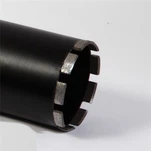
Core drill bit sizes are an important consideration when it comes to drilling holes in a variety of materials. These bits come in a range of sizes to suit different drilling needs and are typically categorized by their diameter. However, the way in which these sizes are measured can vary from country to country.
In some countries, such as the United States, the sizes of core drill bits are typically measured in inches. This can be confusing for those accustomed to using the metric system, such as many European and Asian countries, who tend to use millimeters instead. However, despite these differences in measurement systems, core drill bits are still widely used and are an essential tool for many different industries.
Core drill bits are commonly used in construction, mining, and engineering projects, as well as in manufacturing and fabrication processes. They are designed to cut through a variety of materials, including concrete, metal, and wood, and are typically used to create round holes of varying diameters.
There are many different sizes of core drill bits available, ranging from small bits for drilling precise holes to larger bits for more heavy-duty drilling applications. Choosing the right size of drill bit is important to ensure that the holes are the correct size and to prevent damage to the material being drilled.
Despite the differences in measuring units used, the popularity of core drill bits remains consistent worldwide. These handy tools are crucial for a variety of applications and help to make drilling holes easier, faster, and more efficient. Whether you prefer to use millimeters or inches, the right core drill bit size is essential for getting the job done right.
Core Drill Bit Sizes (mm) – Complete Guide for Diamond Core Drilling
Choosing the right core drill bit size (mm) is one of the most important factors that determines drilling efficiency, hole quality, and overall productivity in construction, renovation, and stone drilling applications. Diamond core drill bits are designed to bore clean, precise holes through hard materials like reinforced concrete, natural stone, masonry, and engineered composites.
This guide explains common core drill bit sizes, when to use them, and how size selection affects performance, compatibility, and outcomes. Whether you're installing pipes, anchors, conduits, or structural openings, understanding bit size options helps you make informed decisions.
What Is a Core Drill Bit (mm) & Why Size Matters
A core drill bit is a hollow, cylindrical cutting tool embedded with industrial diamonds that rotates and grinds material to create a round hole. Rather than removing the entire plug of material, a core bit cuts around the perimeter, leaving a cylindrical core that can be easily extracted.
The core drill bit size (mm) refers to the diameter of the hole it will create - for example, a 50 mm core bit drills a 50 mm hole. Different bit sizes are selected based on the application, material hardness, and installation requirements.
Choosing the right bit diameter ensures:
Accurate hole sizes for pipe, conduit, or anchor placement
Efficient use of power and reduced wear on the core bit
Cleaner hole edges with less need for rework
Common Core Drill Bit Sizes & Their Typical Uses
🔹 Small Diameters (6 – 30 mm)
Used for:
Small utility holes for wiring and sensor lines
Pilot holes in concrete and masonry
Anchor and dowel placements
Best when working with limited access or for tight openings where precision is essential.
🔹 Mid‑Range Sizes (35 – 80 mm)
Used for:
Conduit and pipe penetrations in walls and slabs
HVAC cable and plumbing installations
Standard anchor holes and inspection ports
These sizes balance speed and versatility, making them suitable for most residential and commercial drilling tasks.
🔹 Large Diameters (90 – 160 mm)
Used for:
Larger plumbing, cable trunking, and ventilation ducts
Structural bolt and anchor installations
Openings for lighting or service access panels
Larger core bits require more drilling power and are typically used with rig‑mounted or heavy‑duty drills for clean, deep holes.
🔹 Extra‑Large Sizes (180 mm and Above)
Used for:
Major utility penetrations in industrial or commercial projects
Big bore openings for shafts, chimneys, or pipes
Deep core sampling in geological, mining, or civil engineering work
These sizes typically require floor‑mounted core drilling rigs or hydraulic systems to maintain stability and drilling efficiency.
Material Considerations & Bit Size Selection
The size you choose should also be influenced by the type of material you are drilling:
🧱 Concrete & Reinforced Concrete
Mid to large sizes (35 – 160 mm) are common
Water‑cooled operation reduces heat and prolongs bit life
Bits with robust diamond segments handle rebar and hard aggregates
🪨 Natural Stone (Granite, Marble)
Smaller holes (up to 80 mm) for anchor points
Larger holes for architectural penetrations
Softer bond formulas may be used for smoother finishes
🧱 Masonry & Brick
Mid sizes (30 – 90 mm) for utility holes
Dry and wet drilling are both possible, depending on site
🏢 Engineered Stone & Tile
Smaller diameters (6 – 50 mm)
Fine grit bits for smooth edge quality
Each material type has different hardness and abrasive properties, so matching the core bit diameter with the right bond and diamond concentration is key to optimal performance.
Core Drill Bit Diameter vs. Machine Compatibility
Your core bit must be compatible with the drill in terms of:
Shank type and size
Thread connection
Maximum recommended diameter
Drill power and torque rating
For example:
Handheld core drills are typically suited for smaller diameters (6 – 80 mm)
Rig or stand‑mounted drills are used for large diameters (80 mm and above)
Always check the manufacturer's guidelines to avoid overloading the drill or causing bit failure.
Drilling Speed, Feed Rate & Bit Size
Core bit size also affects how you drill:
Smaller diameters: Faster drilling, lower torque required
Larger diameters: Slower penetration, higher torque demand
Feed Rate: Keep a steady, moderate feed rate to avoid glazing the diamonds or overheating the bit
Matching bit size to hole requirement and adjusting speed/feed accordingly ensures longer bit life and cleaner holes.
Wet vs Dry Drilling by Bit Size
Wet Drilling:
Preferred for bit sizes above 50 mm
Reduces heat buildup and dust
Extends bit life and improves hole finish
Dry Drilling:
Suitable for smaller diameters (6 – 50 mm) where water is unavailable
Requires vacuum extraction to control dust
Selecting the right bit size and drilling method helps you control site conditions, safety, and productivity.
Common Bit Size Chart (Diameter → Typical Use)
| Bit Size (mm) | Typical Application |
|---|---|
| 6 – 20 | Small utility holes, sensors, low‑load anchors |
| 25 – 50 | Conduits, small pipes, electrical pass‑throughs |
| 60 – 100 | HVAC ducts, medium structural anchors |
| 110 – 160 | Large pipes, ventilation, service panels |
| 180 + | Industrial penetrations, deep utilities |
Optimizing Core Drill Bit Lifespan
To make your core bits last longer:
✔ Use appropriate water cooling when possible
✔ Adjust speed/feed for bit diameter and material
✔ Avoid excessive pressure or overheating
✔ Clear debris regularly during drilling
✔ Match bit bond type to material hardness
Correct usage reduces diamond segment wear, improves cut quality, and lowers long‑term tooling costs.
After sales service team

Technical Team

Hot Tags: core drill bit sizes mm, China core drill bit sizes mm manufacturers, suppliers, factory, Diamond Core Drill Bit Segment For Concrete Drilling, Core Drill Diamond Segments, Core Drill Bit Segments, Concrete Core Drilling, Stone Core Drill Bits, Diamond Core Drill Bits