


At our company, we are proud to specialize in the production of high-quality rock driller equipment for deep rock drilling. Our team is dedicated to delivering the best possible tools for our customers, and we take great pride in the quality and reliability of our products.
We believe that deep rock drilling is an important field, and we are committed to providing our customers with the tools they need to succeed. Our rock driller equipment is designed to be efficient, durable, and easy to use, so that our customers can focus on their work without worrying about equipment malfunctions or breakdowns.
Whether our customers are drilling for oil, gas, or minerals, our rock driller equipment is up to the task. We are constantly working to improve our products and develop new technologies to meet the changing needs of the industry.
We understand that deep rock drilling can be a challenging and sometimes dangerous job, but we are confident that our equipment can help make the process safer and more efficient. We are committed to providing our customers with the best possible service and support, and we welcome feedback and suggestions for how we can improve.
In short, we are proud to produce rock driller equipment for deep rock drilling, and we are committed to excellence in everything we do. We believe that with the right tools and the right attitude, anything is possible, and we look forward to playing a part in the success of our customers and the industry as a whole.
Deep Rock Drilling – Professional Solutions for Hard Rock Boreholes
Deep rock drilling refers to the process of creating long, precision holes through dense geological formations such as granite, basalt, limestone, and other hard rocks. These drilling techniques are widely used in industries like quarrying, mining, deep water well installation, civil engineering, and infrastructure construction.
This specialized drilling process requires powerful machines, advanced drill tooling, and well‑engineered systems to ensure accurate hole alignment, controlled penetration rates, and long‑lasting equipment performance.
What Is Deep Rock Drilling?
Deep rock drilling involves using heavy drilling rigs and specialized bits to drive boreholes of significant depth into solid rock formations. The goal is to reach depths that are beyond the capability of standard shallow drilling machines - often extending hundreds of meters below the surface.
This process differs from shallow surface drilling because it must cope with higher rock hardness, variable stone layers, water zones, and complex rock structures. As a result, deep rock drilling rigs are built to deliver high torque, sustained energy transfer, and efficient cuttings removal.
Key Components of Deep Rock Drilling Systems
Successful deep rock drilling depends on the integration of several critical elements:
🛠 Drilling Rig Base
Heavy‑duty platforms - such as crawler‑mounted, skid‑mounted, or truck‑based rigs - provide stability and mobility on rugged job sites. These bases support deep drilling operations and allow for efficient repositioning.
💡 Drill Power System
Deep rock drilling machines may be powered by:
Diesel engines - high torque and site independence
Hydraulic systems - smooth control and deeper penetration
Electric motors - steady power for workshop and controlled environments
Each power type has unique benefits depending on drilling depth, site infrastructure, and rock hardness.
🪓 Drill Tooling
The drilling components at the cutting face include:
DTH hammers for direct impact rock breakage
Rotary drill bits for grinding hard materials
Core barrels for geological sampling
Rock button bits engineered to penetrate extreme hardness
Choosing the right bit and hammer combination is essential for maximizing penetration rates and extending tool life.
💨 Flushing/Cleaning Systems
Deep rock drilling rigs use one or more flushing methods to remove rock cuttings and heat from the drill face:
Air flushing - clears debris in dry drilling conditions
Water flushing - reduces vibrations, dust, and heat
Mud or foam flushing - ideal for unstable or wet formations
Effective flushing maintains drilling momentum and extends equipment life.
Important Deep Rock Drilling Techniques
🔧 Down‑The‑Hole (DTH) Drilling
Designed for hard and abrasive rock, this method places the hammer mechanism close to the bit, reducing energy loss and improving penetration. It is commonly used in deep borehole drilling for water, blasting patterns, and quarry extraction.
🔄 Rotary & Percussion Hybrid Drilling
Combines continuous rotation with impact to create efficient and accurate holes across hard, medium, and layered rock formations.
🪨 Core Drilling
Used to extract solid or hollow rock cylinders for geological analysis, sampling, and foundation testing. Core drilling rigs support deep rock drilling with onsite rock property assessment.
Applications of Deep Rock Drilling
Deep rock drilling is employed across a wide range of industrial and civil use cases:
🚰 Deep Water Well Installation
Drilling boreholes through rock to reach underground aquifers for domestic, agricultural, and industrial water supply.
🏗 Infrastructure & Foundation Projects
Used for drilling holes for:
Pile foundations
Soil anchors
Rock reinforcement
Tunneling and underground works
🪓 Quarry & Mining Development
Deep holes are drilled for:
Blast hole patterns
Worker access shafts
Dewatering systems
Rock property testing
🧠 Geotechnical & Seismic Exploration
Drilling deep into the earth to collect core samples, assess subsurface conditions, and support major engineering decisions.
⚡ Energy & Geothermal Projects
Boreholes created for heat exchange systems, geothermal wells, and energy exploration.
Behind the Scenes - How Deep Rock Drilling Works
Site Preparation
Stabilize ground, set up rig base, and plan drilling path.
Bit Selection
Choose the appropriate bit type - DTH hammer bits for hard rock, rotary bits for mixed formations.
Drill Rod Assembly
Assemble rods, couplings, and flushing lines to support the planned depth.
Flushing Setup
Prepare air, water, or mud flushing to maintain cuttings removal and borehole cleanliness.
Drilling Operation
Engage the rig, monitor RPM and penetration rate, and adjust feed pressure for optimal progress.
Hole Quality Control
Regularly measure hole depth, deviation, and cuttings condition to ensure drilling accuracy.
Key Benefits of Professional Deep Rock Drilling
✅ Deep Penetration in Hard Rock – Achieve deeper boreholes in solid formations
✅ Precise Hole Alignment – Controlled drilling reduces deviation and improves casing fit
✅ Higher Productivity – Efficient tool usage and optimized drilling methods
✅ Lower Operational Costs – Reduced bit wear, improved flushing, and advanced rigs
✅ Versatile Applications – From water wells to infrastructure drilling
Choosing the Right Deep Rock Drilling Solution
When selecting deep rock drilling equipment or services, it's important to consider:
🔎 Rock Hardness & Formation
Granite and basalt require more robust hammer and bit combinations than softer limestone or sandstone formations.
📏 Target Drill Depth
Define your objective - whether it's a 50 m water well or a 500 m geological borehole - to match the rig's capabilities.
⚙ Power & Mobility
Choose between diesel, hydraulic, or electric powered rigs based on site conditions and mobility needs.
🧰 Support & Maintenance
Prioritize suppliers who offer spare parts, after‑sales service, and on‑site technical support for long‑term drilling success.
Packing and Delivery

Deep Rock Drilling

Deep Rock Drilling Packing

Deep Rock Drilling Packed for Delivery
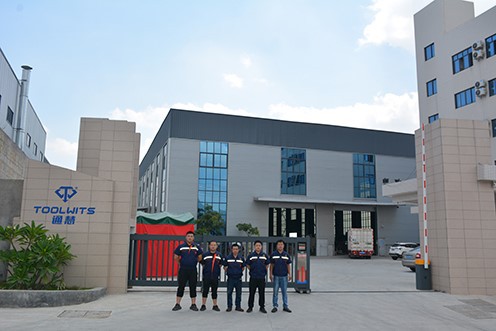
Our Teams


Hot Tags: deep rock drilling, China deep rock drilling manufacturers, suppliers, factory, Rock Drill Accessories, Air Bag For Quarry, Best Bit For Drilling Rock, Capstone Air Bag, Rock Drill Accessories, Water Bag For Quarry


