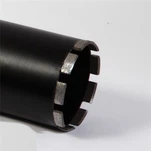
Comparison: Tuck-Point Blade vs. Segmented Blade vs. Continuous Rim Blade
Choosing the right diamond blade depends on the material you are cutting and the type of cut you need. Below is a complete comparison of the three blade types commonly used in construction, masonry, and stone fabrication.
1. Tuck-Point Blade
Best For:
Removing mortar from brick joints
Masonry restoration / repointing
Cutting or cleaning grout lines
Brick, block, stone joint repair
Key Features:
Narrow, aggressive segmented profile designed for joint removal
Fast debris ejection to prevent clogging
Typically thicker than other blade types for durability under side pressure
Optimized for dry cutting with very high abrasion resistance
Advantages:
Excellent for grinding out mortar cleanly and quickly
Minimizes damage to surrounding brick or stone
Long life when used on abrasive materials like mortar and soft masonry
Handles side pressure better than general-purpose blades
Limitations:
Not suitable for smooth finishes
Not recommended for cutting tile, granite, or precision stonework
Designed strictly for joint removal (not general cutting)
2. Segmented Blade
Best For:
Concrete
Brick, block, pavers
General construction materials
Dry cutting with high airflow requirements
Key Features:
Distinct "segments" separated by gullets
Excellent cooling and dust evacuation
Ideal for slicing through dense and abrasive materials
Advantages:
Fastest cutting speed among the three blade types
Handles heat well - perfect for dry use
Good for rough or aggressive cuts
Very versatile and cost-effective for construction work
Limitations:
Leaves a rougher cut edge
Not ideal for very hard stone like porcelain or granite (needs turbo/continuous rim instead)
Generates more vibration and dust
3. Continuous Rim Blade
Best For:
Tile, ceramic, porcelain
Marble, softer natural stones
Any application requiring smooth, chip-free cutting
Wet cutting (recommended)
Key Features:
No segments - a continuous rim around the blade
Designed for fine, precision cutting with minimal chipping
Works best with water cooling to reduce heat
Advantages:
Smoothest and cleanest cutting performance
Ideal for tile installers and stone fabricators
Low vibration and low chipping
Excellent edge quality for decorative materials
Limitations:
Slower cutting speed compared to segmented blades
Overheats quickly in dry use (most require wet cutting)
Not suitable for abrasive materials like mortar or concrete
Summary Table
| Feature / Blade Type | Tuck-Point Blade | Segmented Blade | Continuous Rim Blade |
|---|---|---|---|
| Primary Use | Mortar removal | Concrete, brick, masonry | Tile & stone finishing |
| Cutting Speed | Fast (in joints) | Fastest | Moderate |
| Cut Quality | Functional, rough | Rough | Smooth / chip-free |
| Dry Cutting | Excellent | Excellent | Limited |
| Wet Cutting | Optional | Optional | Recommended |
| Heat Management | Good | Very good | Low (requires water) |
| Best Material Types | Mortar, grout, soft masonry | Concrete, block, pavers | Tile, porcelain, marble |
| Vibration Level | Medium | High | Low |
| Edge Finish | Rough | Rough | Smooth |
Which One Should You Choose?
Choose a Tuck-Point Blade if your job is mortar removal, repointing, or brick joint cleaning.
Choose a Segmented Blade for general construction cuts, such as concrete, brick, or block - especially for dry cutting.
Choose a Continuous Rim Blade when you need smooth, clean, chip-free cuts on tile or stone.