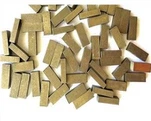
Different types of granite segment directly play the best performance to meet different cutting requirements. Diamond Segments for Stone are one of the most advanced tools for cutting hard granite, mixed granite (such as 30% hard, 40% medium-hard and 30% soft). High welding intensity to mitigate the impact and avoid segments breaking off when cutting. Diamond segments for multi-blade can achieve fast and easy cutting, no chips, long lifespan, and stable performance and high cutting efficiency. We can manufacture all kinds of specifications upon consumer's request.
Types of Diamond Segments for Granite Cutting – Complete Guide
Diamond segments are the cutting components attached to saw blades, designed to slice through granite, quartzite, basalt, and other hard natural stones. The segment shape, bond composition, diamond grit size, and height all affect cutting speed, precision, surface finish, and lifespan.
Using the correct granite diamond segment is crucial for maximizing productivity in quarries, stone fabrication shops, and industrial cutting lines.
1. R-Shaped Granite Segments (Traditional)
Geometry: Classic curved fan shape matching the saw blade's circumference.
Bond Hardness: Medium to hard, suitable for general granite.
Benefits: Reliable, cost-effective, good for everyday block and slab cutting.
Applications: Straight cuts, bridge saws, and CNC stone cutting machines.
2. M-Shaped Granite Segments
Geometry: Serrated or double-peak design.
Advantages: Fast initial penetration, reduced resistance, better cooling and debris removal.
Applications: Large block extraction, automated high-production lines.
3. K-Shaped Granite Segments
Geometry: Higher middle with lower sides, aggressive cutting edge.
Benefits: Strong initial cut, self-sharpening action, longer life on dense granite.
Applications: Heavy slab cutting and quarries with high abrasion granite.
4. U-Shaped & Keyhole Granite Segments
Geometry: U-shaped cut-outs or keyhole slots.
Advantages: Improved debris removal, cooling, and reduced heat buildup.
Applications: Wet cutting in bridge saws and CNC machines.
5. Corrugated & Ordered Segment Patterns
Geometry: Serrated/corrugated tops, precise bead intervals.
Benefits: Faster cutting, reduced friction, higher production efficiency.
Applications: High-speed cutting lines, large-scale slab production.
6. Sandwich & Multi-Layer Diamond Segments
Design: Multiple layers of diamond grit or bond hardness.
Advantages: Top layer cuts aggressively, lower layer ensures longer life and fine finish.
Applications: Mixed stone types, demanding production environments.
7. Material-Specific Granite Segments
Granite vs Marble: Hard granite requires medium-hard to hard bonds to resist wear; soft stone may use softer bonds.
Diamond Grit: Coarse grit for fast cutting, fine grit for smoother finishes.
Applications: Tailored to stone hardness, machine type (wet/dry), and cutting speed.
Segment Height, Bond, and Grit Considerations
Height: Taller segments (15–20 mm) provide longer life and re-sharpening potential.
Bond Hardness: Harder bonds for dense granite; medium bonds for average stone; softer bonds for micro-crystalline or abrasive granite.
Grit Size: Coarse for speed, medium for balance, fine for surface finish.
Benefits of Using Optimized Granite Segments
Faster Cutting Rates: Optimized shapes reduce cutting resistance.
Longer Tool Life: Proper bond and design reduce wear and glazing.
Reduced Chipping & Cracking: Controlled diamond exposure and heat dissipation.
Improved Surface Quality: Especially with sandwich or multi-layer designs.
Higher Productivity: Best performance in quarry, fabrication, or CNC cutting lines.
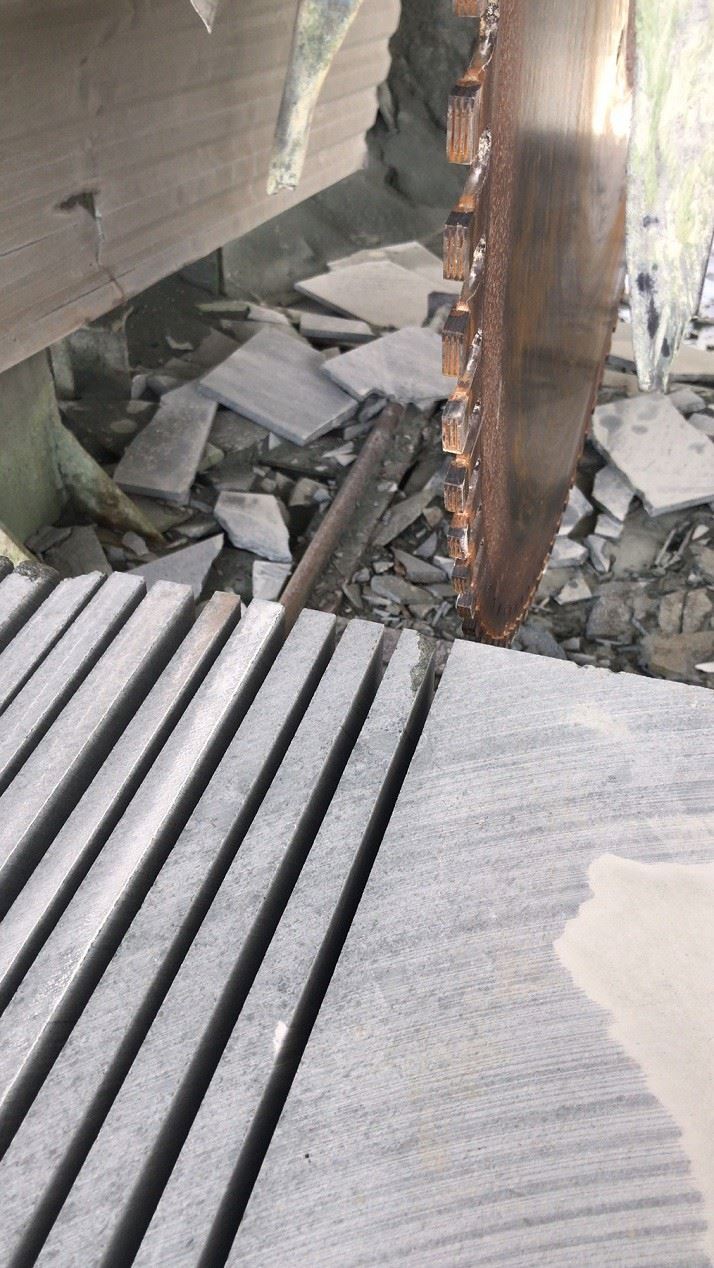
Granite Segment Application
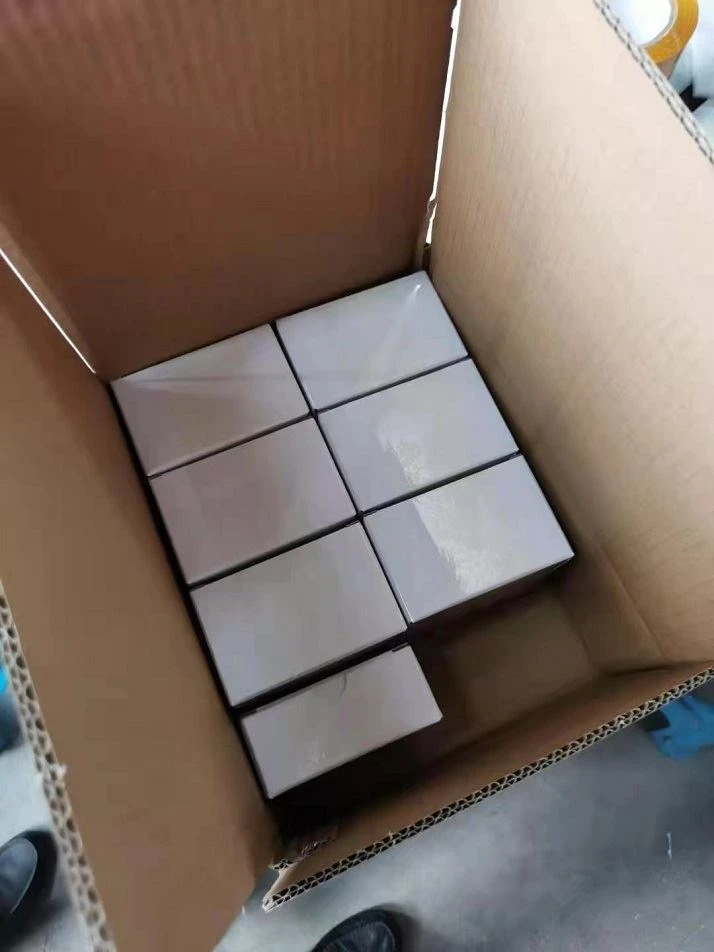
Packing, Storage, Handling and Transportation

After sales service team:

Technical Team:

Hot Tags: types of granite segment, China types of granite segment manufacturers, suppliers, factory, Stone Cutting Segments, Granite Cutting Blade Segment, Diamond Segments Marble Cutting, Granite Segment Supplier, China Marble Cutting Segment, China Granite Cutting Segment