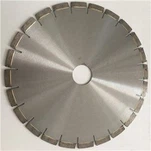
If you are looking for a way to cut ceramic tile, then a saw blade specifically designed for this purpose is essential. With the right saw blade, you can carve even the hardest tiles into the desired shape and size without encountering any negative issues. The advantages to using a saw blade for ceramic tile are many, including faster cutting times and less waste.
One of the key benefits of using a saw blade for ceramic tile is that it allows you to work more efficiently. Traditional cutting methods can be slow and tedious, making it difficult to get the job done quickly and efficiently. A saw blade, on the other hand, provides a fast and efficient way to get the job done in a fraction of the time.
Ceramic Tile Saw Blade – Professional Diamond Blade for Tile Cutting
A ceramic tile saw blade is a precision-engineered diamond cutting blade designed specifically for slicing through hard, brittle surfaces such as ceramic, porcelain, terracotta, and stone-based tiles. Unlike standard metal or abrasive blades, diamond blade technology delivers clean, straight cuts with minimal chipping, making it ideal for flooring, wall tiles, and decorative mosaics used in bathrooms, kitchens, patios, and commercial projects.
These blades are used by professional tile installers, masons, contractors, and home-improvement specialists who demand accuracy, durability, and dust-controlled dry or wet cutting performance.
🔧 Key Features & Benefits
💎 Industrial Diamond Cutting Edge
Premium diamond grit embedded in the cutting segments provides superior hardness and wear resistance, ensuring long service life even when cutting high-density porcelain tiles or glazed surfaces.
⚙️ Optimized Segment Design
Segment shapes such as continuous rim, turbo rim, or micro-segmented designs are optimized for:
Fast cutting
Reduced breakout and cracking
Controlled debris discharge
Smooth surface finish
🔄 Wet & Dry Cutting Capable
Wet cutting provides cooling and dust suppression, especially important for indoor work and prolonged use.
Dry cutting is possible with proper dust collection systems and safety gear, making it convenient for quick jobs.
🛡 Reinforced Core Stability
A heavy-duty steel core improves balance and rigidity, minimizing blade wobble and ensuring straight, uniform cuts with less vibration.
📉 Minimal Material Waste
The narrow kerf design reduces stone loss and helps maximize usable tile material - critical for large installations or patterned layouts.
🪨 Typical Applications
Ceramic tile saw blades are ideal for:
Ceramic and porcelain tile cutting
Marble and natural stone tile trimming
Mosaic tile installation
Terracotta and quarry tile cutting
Flooring and backsplash projects
Bathroom, kitchen, patio, and commercial floor installation
Whether you're cutting straight lines, curves, or cut-outs for outlets and fixtures, the right blade ensures professional results.

📈 How Ceramic Tile Blades Work
Diamond saw blades for tile cutting work by grinding through the tile surface rather than shearing it. As the blade spins at high RPM, the diamond particles abrade the tile, producing controlled cuts with minimal edge chipping.
Continuous rim blades offer the smoothest finish for fragile tiles.
Turbo rim blades balance speed and finish with slightly faster cuts.
Segmented blades help clear debris quickly for faster cutting cycle jobs.
Using water (wet cutting) helps cool the blade, reduce dust, and extend blade life - which is ideal for indoor and finish work.
🧠 Choosing the Right Tile Saw Blade
🧱 Tile Material & Hardness
Porcelain & dense tiles: Require blades with high diamond concentration and harder bonds.
Ceramic & softer tiles: Can be cut with standard or continuous rim blades for smooth edges.
📏 Blade Diameter & Machine Compatibility
Choose a blade that matches your tile saw's diameter, arbor size, and RPM rating to ensure safe, efficient cutting.
💧 Dry vs Wet Cutting
Wet cutting reduces dust and heat - best for interiors and finishing work.
Dry cutting is useful when water access is limited, but dust control is important.
🛠 Cutting Pattern
For straight cuts, continuous or turbo rim blades excel.
For curved or shaped cuts, choose a blade designed for precision radius cutting.
✔ Key Advantages of Diamond Tile Blades
| Benefit | Description |
|---|---|
| Clean Cuts | Minimal chips and cracks on edges |
| Extended Blade Life | Diamonds resist abrasive wear |
| Versatility | Works on ceramic, porcelain, stone tiles |
| Fast Cutting Speed | Reduces job time |
| Precise Control | Excellent for finish work and patterns |
🛠 Tile Cutting Tips for Best Results
1. Support the Tile:
Use a stable platform or tile saw with guides to prevent tile movement during cutting.
2. Cool the Blade:
For wet cutting, ensure steady water flow to cool the blade and reduce dust.
3. Score First:
For fragile or patterned tiles, lightly score before full cutting to avoid chipping.
4. Use Sharp Blades:
A worn blade increases heat and chipping - replace blades at the first sign of dullness.
5. Use Safety Gear:
Eye protection, gloves, and dust masks are essential for both dry and wet cutting.
❓ Frequently Asked Questions
Q: Can I use a tile saw blade on stone tiles like marble?
A: Yes - many diamond tile blades are capable of cutting both ceramic and natural stone tiles when selected with the right bond and diamond grit.
Q: Is wet or dry cutting better for tile?
A: Wet cutting is generally preferred for longer blade life and dust control, while dry cutting is suitable for quick, small jobs when paired with good dust extraction.
Q: What blade size should I choose?
A: Match the blade diameter and arbor to your tile saw and the tile thickness - larger blades (e.g., 10", 12") cut deeper and are used on larger format tiles.
Q: Why do my tile edges chip?
A: Chipping can occur with dull blades, improper blade type, or too much feed pressure. Use a continuous rim blade and steady, controlled feed for best results.
Packing, Storage, Handling and Transportation


After sales service team:

Technical Team:

Hot Tags: saw blade for ceramic tile, China saw blade for ceramic tile manufacturers, suppliers, factory, Types Of Diamond Saw Blades, Saw Blades For Asphalt, Asphalt Cutting Blade For Circular Saw, Diamond Circular Saw, Stone Cutting Circular Saw, Segmented Saw Blade